What an award is worth when the cargo can walk
An arbitral tribunal ordered Niger not to sell the uranium. Roughly a thousand tonnes went out through Burkina Faso to the port of Lomé anyway. The enforcement point was never the tribunal.
In December 2024 Orano reported that it had lost control of its three Nigerien subsidiaries, Somaïr, Cominak and Imouraren. In June 2025 Niger announced it would take Somaïr, the operator of the country's only working uranium mine at Arlit, in which Orano held 63.4% against Sopamin's 36.6%.
In September an ICSID tribunal ordered the state not to sell, transfer or facilitate the transfer of the uranium.
In late November roughly a thousand tonnes moved by road through Burkina Faso to the port of Lomé, and out to buyers who have not been named.
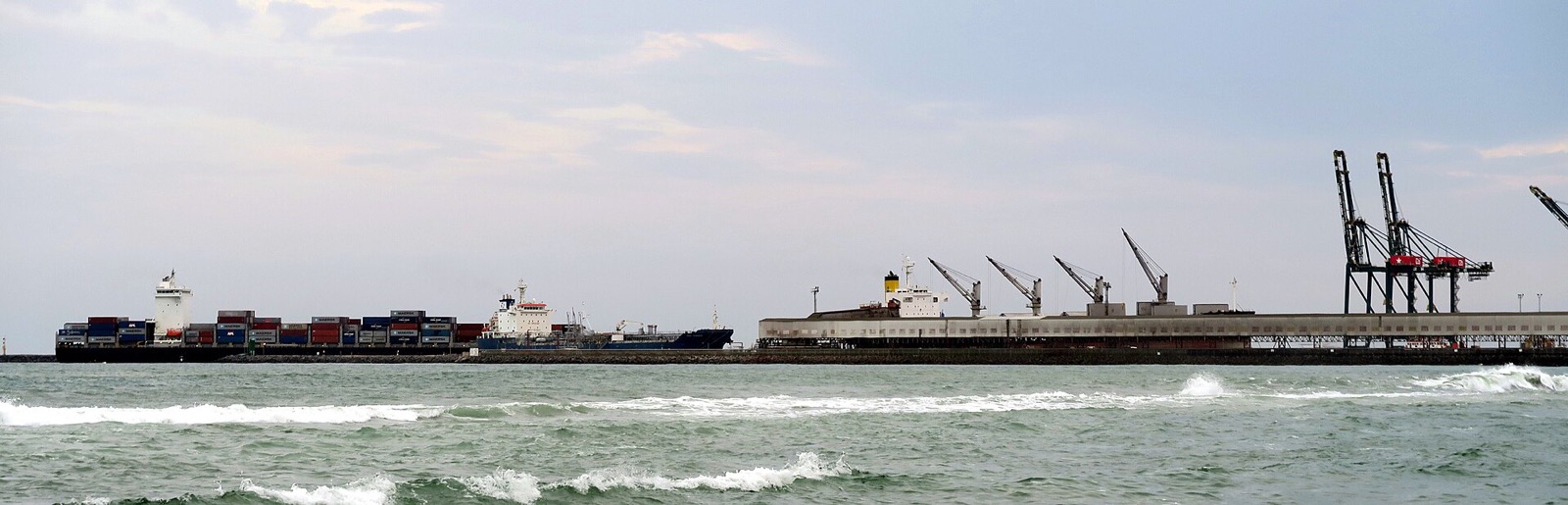
The structure of the problem
An arbitral award is a claim on assets. It is worth what a court somewhere can attach.
That works when the respondent has property inside a jurisdiction that will enforce, which is why arbitration is effective against states with foreign reserves, aircraft, or commercial operations abroad. It works poorly when the asset in dispute is a commodity sitting inside the respondent's own territory, with a land route to a port in a friendly state.
Niger has no coastline. That is usually described as a weakness, and in trade terms it is. In this dispute it was not the constraint anyone expected it to be, because the corridor ran through Burkina Faso, a fellow member of the Alliance of Sahel States, to a Togolese port. Every link in that chain sits outside the reach of the party holding the order.
Why the buyers matter more than the tribunal
Uranium is not a commodity you sell into an anonymous market. The buyer must be able to take delivery, insure the shipment, and satisfy its own regulator about the material's provenance. That is a small population of counterparties, and each of them is a point at which the award could have bitten.
It did not, and the reason is worth stating plainly rather than moralising about. A buyer who is not in a jurisdiction that will enforce an ICSID order faces a commercial calculation, not a legal one, and the calculation includes a discount on the price. Contested title is a negotiating position for the buyer.
The subsequent transfer of the Somaïr permit to state-owned Tsumco makes the position harder to unwind. Once the operating right sits with a domestic entity that has no foreign assets, the counterparty against whom an award could be enforced has been engineered out of the structure.
What this is evidence for
The useful claim is narrow. It is not that arbitration is worthless, and it is not that Niger has won anything. Orano has several proceedings running and the eventual awards may well be large.
It is that the enforcement point in a resource dispute is physical, not legal, and the physical point is the export route. Anyone modelling this class of risk should be asking where the cargo can go and who will accept it, before asking what the treaty says.
That reframes the diligence question for anyone with exposure to a mining asset in a jurisdiction where the political risk is real. The questions that matter are: does the host state have foreign assets an award could attach to, does the export corridor run through a state that would enforce, and is the buyer base narrow enough that title risk actually deters.
For Somaïr the answers were no, no, and apparently not.
The limits of this reading
The reporting on the November shipment is press reporting, not a court finding, and the tonnage figure of approximately 1,000 tonnes comes from media accounts rather than a customs record I have seen. Niger disputes the tribunal's authority, so from Niamey's position no order was violated, and that argument will be adjudicated rather than settled here.
The wider pattern is also not new. What is new is how quickly the sequence ran: loss of operational control, nationalisation, an interim order, a shipment, and a permit transfer, inside roughly eighteen months. Speed matters in this kind of exposure, because the window in which a counterparty can act closes faster than most contingency plans assume.
Sources
- Orano opposes Somaïr nationalisation · World Nuclear News
- Niger puts nationalised Somair uranium on global market amid standoff with Orano · bne IntelliNews
- Niger uranium dispute, SOMAIR output banned from sale but buyers remain eager · Ecofin Agency
← Back to all insights